Why a Commercial Vehicle Wrap Makes Sense for Your Fleet
More Than Just a Paint Job
I have been in the customisation business long enough to see the same question come up again and again: "Why would I wrap a work vehicle?" The answer, I have found, is rarely about aesthetics alone. A commercial vehicle wrap is a practical investment that changes how people see your business, how long your vehicle keeps its value, and how much attention your brand gets on the road. In a place like Singapore, where traffic is dense and every square metre of outdoor space comes at a premium, your fleet becomes a moving billboard. But getting it right takes more than picking a colour off a swatch.
I remember a client who ran a small plumbing company. He had three vans, all white, all unmarked. He told me he could not justify the cost of a professional wrap. After a year, he came back frustrated. His drivers kept getting parking tickets because other road users did not recognise the vans as service vehicles. He also noticed that a competitor with a bright, wrapped van was getting calls simply because people remembered the design. That is when he understood that a commercial vehicle wrap is not a decoration. It is a tool.
What Goes Into a Good Wrap
A wrap is a system, not a sticker. The materials matter as much as the installation. High-quality vinyl wraps from brands like 3M, Oracal, and Avery Dennison are engineered to withstand Singapore's tropical climate. Heat, humidity, and constant UV exposure can break down cheaper films in less than a year. A premium car wrap uses cast vinyl that conforms to curves and recesses without lifting. Laminates add a protective layer against scratches and fading. Without them, even a beautiful design can look tired after six months.
When I talk to clients about their options, I always point out the trade-off between cost and longevity. A budget wrap might last two years. A properly installed wrap with quality materials can last five years or more. The difference is in the adhesive and the topcoat. Removable adhesive is standard in the industry, but not all adhesives release cleanly. Cheap wraps can leave a sticky residue that requires sanding to remove. That defeats the whole purpose of protecting the original paint.
Finishes That Work for Your Brand
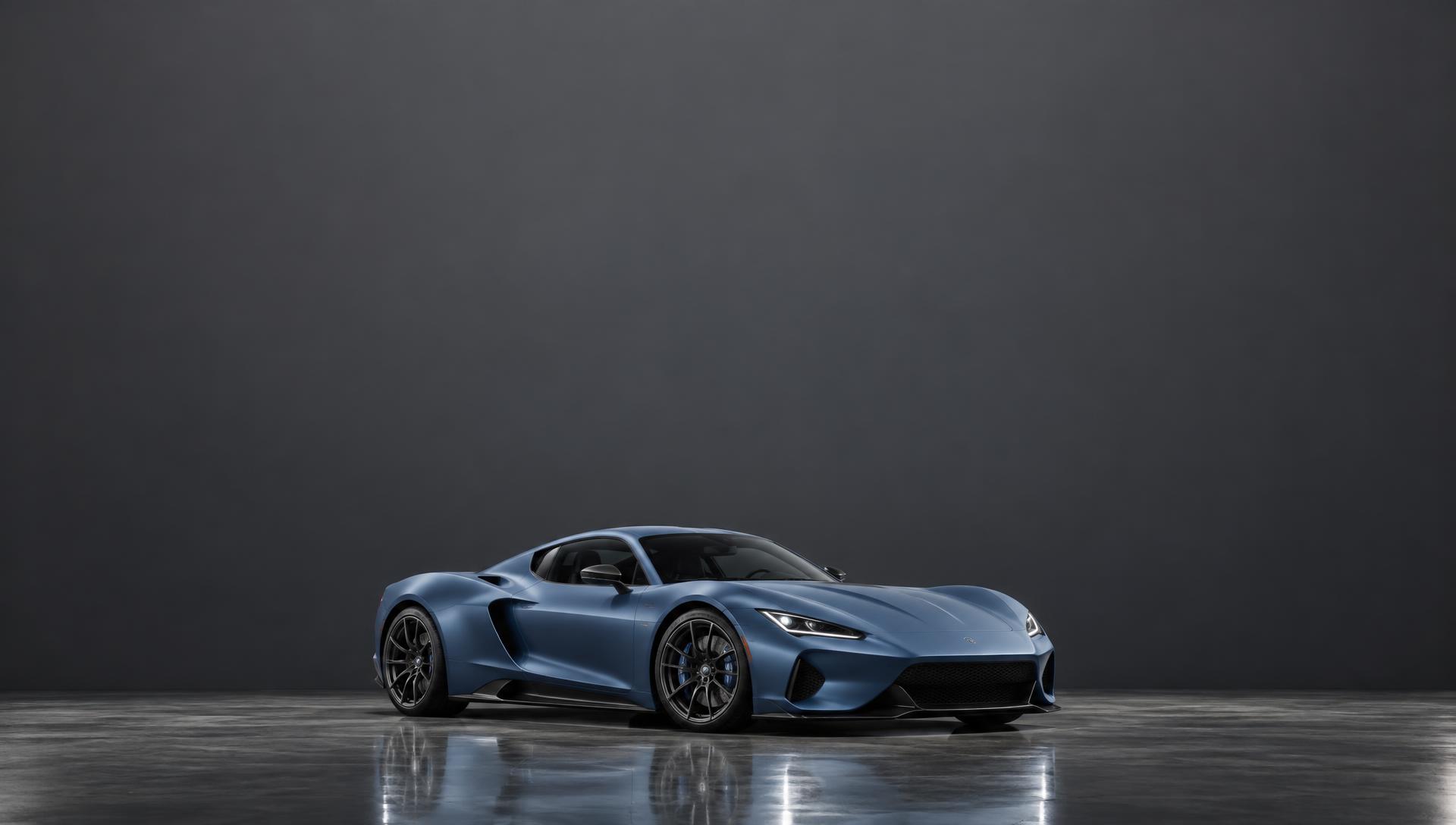
The finish you choose affects how people perceive your vehicle. A glossy finish gives a polished, high-end look that works well for luxury services or corporate fleets. It reflects light and makes colours pop. A matte finish, on the other hand, feels modern and understated. It hides fingerprints and dirt better, which is a real advantage for vehicles that operate in dusty or industrial environments.
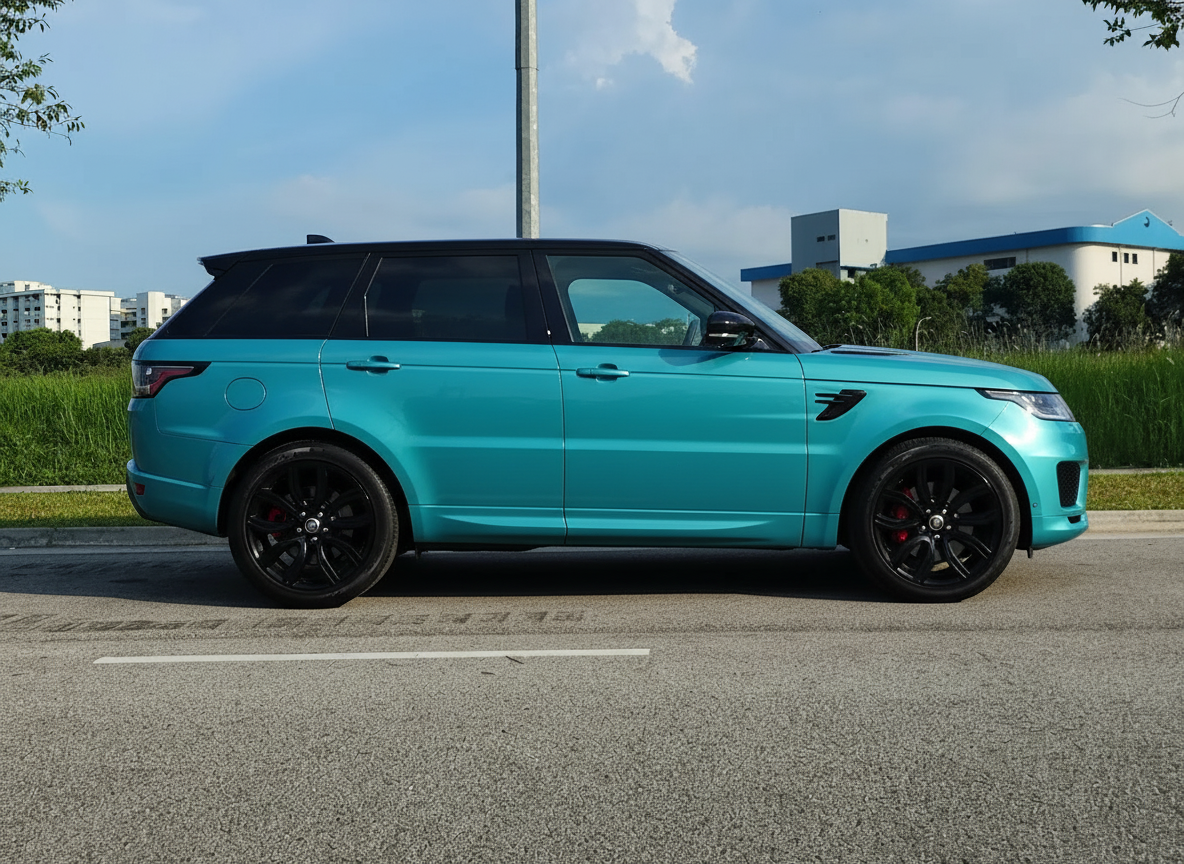
I have also seen a rise in requests for carbon fiber wrap and chrome wrap. Carbon fiber adds a textured, technical look that suits automotive workshops or performance brands. Chrome wraps are attention-getters, but they require more maintenance and can be more expensive. Then there is color shift vinyl, which changes hue depending on the viewing angle. It is a bold choice and not for every business, but for a brand that wants to stand out at a trade show or event, it is hard to ignore.
Branding That Moves
Vehicle branding is one of the most cost-effective forms of advertising. A single wrapped van can generate thousands of impressions per day. In a compact city like Singapore, where commuters spend hours on the road, that reach is amplified. But the design has to work at speed and at a distance. Small text, intricate details, and low-contrast colours get lost. I always advise clients to keep the logo large, the message short, and the background clean. A commercial vehicle wrap should be readable from ten metres away in three seconds. If it is not, the design needs to be simplified.
Graphics Studio, the team behind many wraps in Singapore, uses UV printing to achieve crisp details and vibrant colours. This method prints directly onto the vinyl, which allows for photographic images and gradients that would be impossible with cut vinyl alone. The combination of printed graphics and solid colour panels gives designers a lot of room to work with.
Digital Preview: Seeing It Before It Is Installed
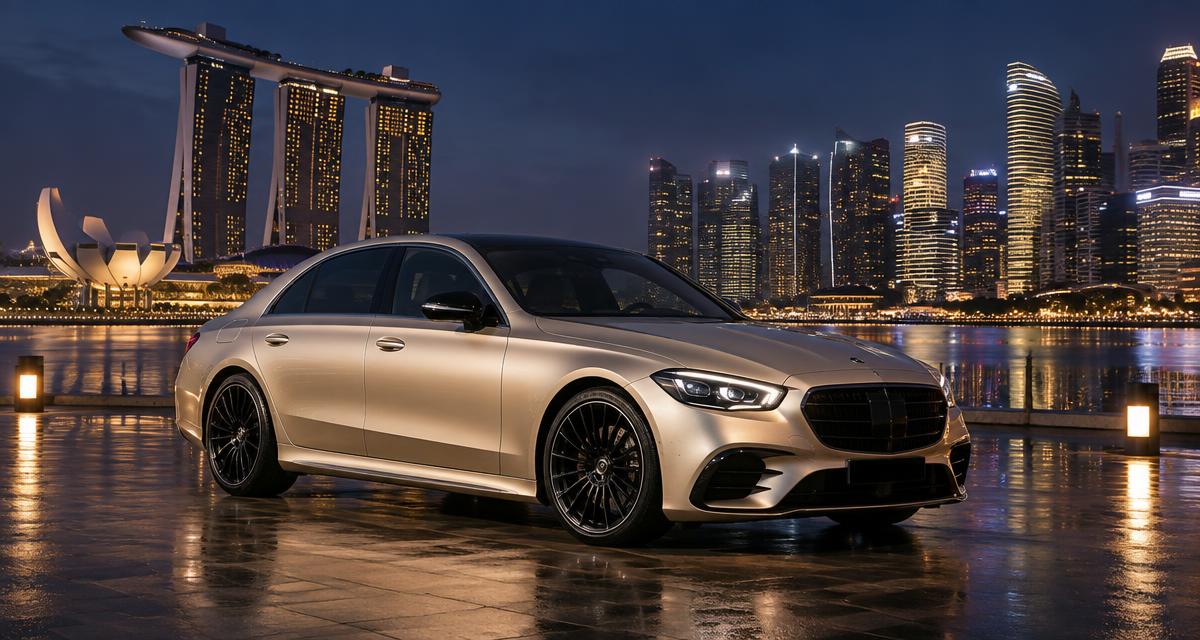
One of the biggest fears customers have is committing to a design they have only seen on a screen. That is where a digital preview makes all the difference. Some studios now let you upload a photo of your actual vehicle and apply the wrap design onto it. You can rotate the view, zoom into details, and see how the light hits different panels. This process catches mistakes early. I have seen clients change their mind about a colour or a logo placement after seeing the preview, saving both time and money.
If you are considering a wrap for your business, I would recommend starting with a free quote from a studio that offers this kind of preview. It gives you a clear picture of what you are paying for and what the final result will look like.
The Installation Matters
Wrap installation is a skilled trade. It takes training, patience, and the right tools. A professional installer knows how to heat and stretch the vinyl around compound curves without distorting the print. They also know when to use a seam and when to wrap a panel in one piece. Poor installation leads to bubbles, lifting edges, and premature failure. I have seen wraps that looked perfect on day one start peeling within weeks because the installer skipped the primer or worked in a dusty environment.
When you invest in a commercial vehicle wrap, you are paying for the labour as much as the material. A reputable shop will give you a warranty on both. Ask about their process. Do they clean and degrease the surface? Do they use a heat gun or a torch? Do they let the vinyl cure before exposing it to rain? These details separate a job that lasts from one that needs redoing.
Maintenance and Longevity
Once the wrap is on, a little care goes a long way. Hand washing with a mild detergent is better than automated car washes, which can catch the edges of the film. Avoid high-pressure sprays directed at the seams. If you park outdoors, consider a UV-protective laminate. In Singapore's sun, that extra layer can add a year or two to the wrap's life.
I have had clients ask if they can wax a wrapped vehicle. The answer is yes, but only with a wax that is safe for vinyl. Some carnauba-based waxes can stain or yellow the film. Stick to products designed for wraps, or just keep the surface clean with a quick rinse.
When a Wrap Makes More Sense Than Paint
For most commercial applications, a wrap beats a paint job on cost, speed, and reversibility. A full paint job can take a week and cost several times more. A wrap can be applied in a day or two and removed without damaging the original finish. That matters if you lease your vehicles or plan to sell them. A well-maintained wrap protects the paint underneath, so when it is time to remove it, the car looks like new.
Car customization has evolved beyond personal taste. It is now a strategic decision for businesses. A commercial vehicle wrap is one of the most effective ways to put your brand in front of potential customers without recurring ad spend. Every mile your vehicle drives is free advertising. The only cost is the initial investment in a quality wrap.
If you are still on the fence, I suggest starting with one vehicle. Wrap a single van or truck, run it for three months, and track the response. Ask new customers how they heard about you. Chances are, a few of them saw the wrap while stuck in traffic. That kind of feedback is hard to argue with.
In a market where attention is scarce, a well-designed wrap earns its keep. It is not just about looking good. It is about being seen, remembered, and trusted. And that is something every business can use more of.